
Southeast Texas doesn’t roll gently into summer; it cannonballs. By mid-May the thermometer flirts with triple digits, humidity sticks to your skin like plastic wrap, and the “feels-like” index can eclipse 110 °F before lunchtime. In that climate, an unexpected AC failure is more than a sweaty inconvenience—it can threaten health, derail vacations, and torch utility budgets when you rush into a mid-season replacement.
Fortunately, most catastrophic breakdowns start as tiny, inexpensive issues—dirty filters, loose wires, algae-clogged drain lines—that are easy to fix long before they send your compressor to an early grave. This 1,500-word guide walks you through a 10-step tune-up every homeowner should complete (or schedule with a pro) before the first serious heat wave. Where it makes sense, I’ll flag which jobs are truly DIY-safe and which ones cross into professional territory.
Step 1 – Swap Your Air Filter (5 Minutes)
A one-inch pleated filter clogged with dust, dog hair, and Gulf-coast pollen can choke off 15 % of airflow. Restricted airflow forces the blower to run longer, raises static pressure, and can even freeze the evaporator coil. In our region, change that filter every 30–45 days during heavy cooling season. Date the frame with a Sharpie; future you will thank you.
DIY or Pro?
DIY—no tools required beyond a step stool and clean hands.
Step 2 – Rinse the Outdoor Condenser Coil
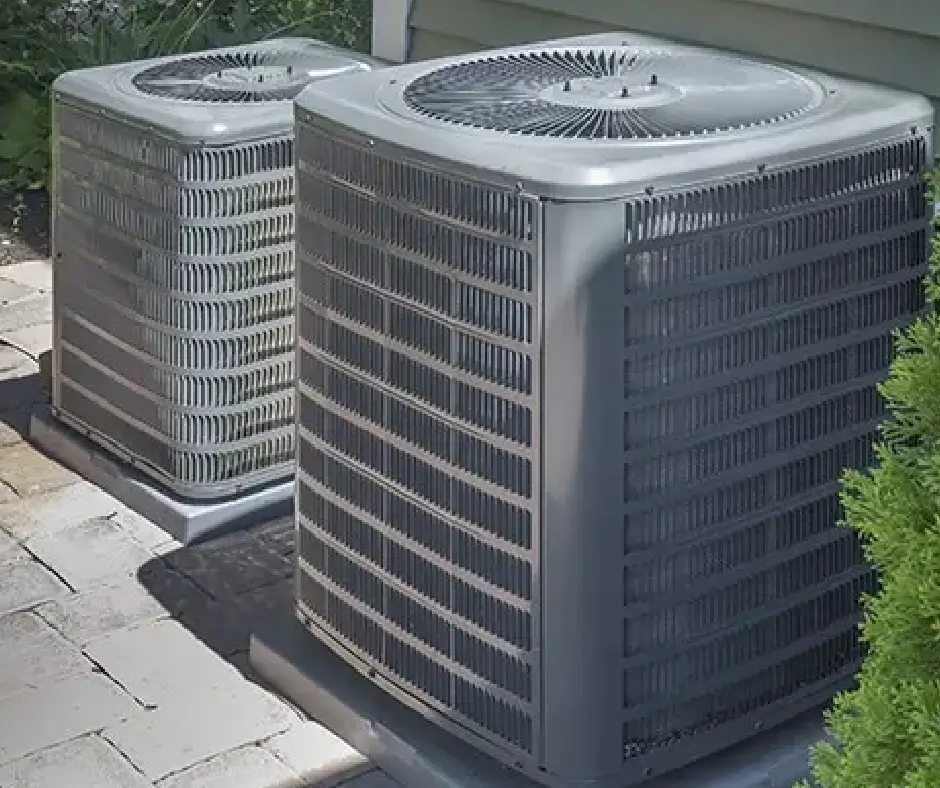
Your outside unit is basically a radiator. When it’s wrapped in grass clippings and cottonwood fuzz, heat can’t escape as efficiently, so head pressure climbs and your compressor works harder. Shut off the disconnect, remove the top grille, and gently hose from the inside out. Use a soft-spray nozzle—pressure washers flatten aluminum fins in seconds.
DIY or Pro?
Mostly DIY, provided you respect electricity and don’t bend fins. If the coil is oily or caked with dust, a technician can foam-clean it during the annual service.
Step 3 – Clear the Condensate Drain Line
Warm PVC drain lines are algae spas. A quick flush with a cup of white vinegar keeps the slime at bay. If water is already backing up into the secondary pan, hook a wet/dry vac to the outside line and suck the blockage free. Install a float switch in the pan so a future clog cuts power before drywall turns into papier-mâché.
DIY or Pro?
DIY for basic flushing; call a pro if you see rusted pans or suspect a cracked drain.
Step 4 – Inspect Electrical Connections
High starting amperage plus attic heat cycles can loosen contactor lugs over time. With power off, remove the access cover and snug terminals on the contactor, capacitor, and disconnect whip. Look for burnt insulation or swollen capacitors (tops should be flat, not domed). If you’re uncomfortable around live circuits, flag this for your spring HVAC tune-up.
DIY or Pro?
Pro—unless you’re experienced with lock-out procedures and a multimeter.
Step 5 – Test Thermostat Calibration and Location
Tape an accurate thermometer beside the thermostat and compare readings after ten minutes. A ± 2 °F variance is okay; anything wider means the sensor is off or the stat is in a bad location (direct sunlight, near a supply register). Upgrading to a learning, Wi-Fi thermostat can shave 10 % off cooling bills by auto-adjusting while you’re away.
(Curious which smart thermostats play nicest with the new refrigerant era? Read “New HVAC Refrigerant Guidelines 2025” for pressure/temperature charts A2L systems expect.)
DIY or Pro?
DIY for testing; pro if you need to relocate wiring or install a common wire.
Step 6 – Seal and Insulate Ductwork
Typical attic duct systems leak 20–30 % of conditioned air before it reaches the living room. That’s money you’re dumping into a 140 °F attic. Crawl through and feel for cold air blasts or look for dusty streaks on insulation (a sure sign of leakage). Seal gaps with mastic or aluminum-foil tape (never cloth “duct” tape), then bury ducts under R-8 insulation for extra savings.
DIY or Pro?
Ambitious DIYers can handle small sections; large systems or hard-to-reach plenums need a duct-sealing crew.
Step 7 – Verify Refrigerant Charge and Superheat (Professional Only)
Hooking up gauge manifolds, computing target superheat, and adding or recovering refrigerant is a licensed-tech task. Slight under-charging lowers capacity and spikes utility bills; over-charging floods the compressor with liquid and shortens its life. New A2L blends operate at different pressures, so an accurate charge matters more than ever.
DIY or Pro?
Pro—period.
Step 8 – Clean and Balance the Blower Assembly
A blower wheel with 1/16-inch of dust reduces airflow by roughly 10 %. Kill power, slide out the squirrel-cage assembly, scrub blades with dish soap, rinse, dry, and reinstall. Slew the motor mount until wheel sits dead-center in the scroll housing; then check that set-screws grip the shaft tight.
DIY or Pro?
Moderate DIY if you’re comfortable removing access panels; otherwise, add to your technician’s checklist.
Step 9 – Lubricate Older Motors and Check Belts
Many PSC motors have tiny oil ports. Two drops of non-detergent 3-in-1 oil per port each spring keeps sleeve bearings whisper-quiet. Inspect blower belts for glazing or cracks and replace if deflection exceeds ½-inch when pressed.
DIY or Pro?
DIY for oiling; pro if you need to tension belts on multi-groove pulleys.
Step 10 – Schedule a Professional 24-Point Tune-Up
A seasoned tech will:
- Meg-ohm test compressor windings
- Measure temperature split across the coil
- Inspect capacitor micro-farads versus nameplate
- Check static pressure at return and supply plenums
- Test low- and high-pressure safety switches
- Calibrate thermostat differentials
- Document findings so small drips don’t become thousand-dollar floods
Extra reading if you’re curious about preventative maintenance ROI: “Home-Improvement Insights From Industry Professionals” shows real before-and-after utility bills from Southeast Texas households.
Frequently Asked Questions
Q: Can I just hose the coil from outside without removing the fan?
A: Yes, but spraying from the inside out flushes debris more effectively. Outside-in rinsing can embed dirt deeper between fins.
Q: Are UV lights worth the cost?
A: In humid climates they reduce coil biofilm, improving airflow and indoor air quality. They’re a luxury—not a must—but worth considering if allergies plague the family.
Q: How often should I schedule a pro tune-up?
A: Once a year, ideally March–May. Your tech is less slammed, and parts houses still have off-season pricing.
Warning Signs You Shouldn’t Ignore
- Ice on the suction line or evaporator coil
- Musty smell through supply vents (often a clogged drain)
- Breaker trips when the condenser starts (weak capacitor)
- Supply air warmer than 20 °F below return air (loss of charge or airflow)
If you see any of these during your DIY steps, stop and book a service call.
Safety Toolkit Checklist
- Non-contact voltage tester
- Needle-nose pliers and insulated screwdriver
- Fin comb for condenser coils
- Nitrile gloves (keeps coil cleaner off skin)
- Shop-vac with ¾-inch hose adapter for drain flushes
- Flashlight or headlamp
A Weekend of Work, a Summer of Comfort
A proper pre-summer tune-up costs a few hours of elbow grease and maybe a $10 filter, yet it can save hundreds on peak bills, prevent emergency calls, and extend system life by years. When the first true scorcher of June arrives, you’ll sip iced tea in a 72 °F living room instead of staring at oscillating fans.
Call us today at 409-207-8001 to schedule your AC replacement and stay ahead of the changes. Let’s keep your home cool, comfortable, and eco-friendly for years to come! Need fast online booking? Visit our 409 Group home page.
