
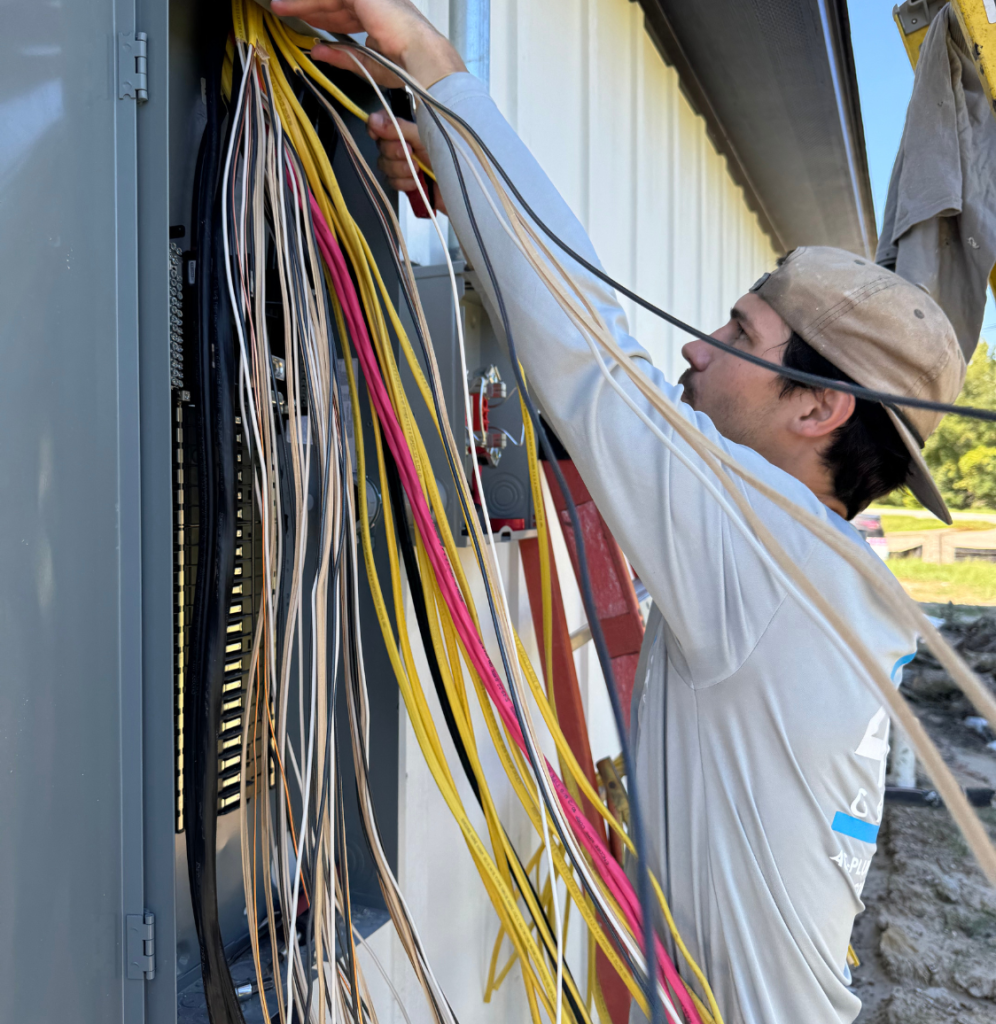
Introduction
Coastal homeowners in Lumberton, TX and the surrounding Southeast Texas region face a distinct and growing challenge: salt air panel corrosion Lumberton TX. The salty, humid environment that gives the Gulf Coast its signature climate also quietly degrades electrical systems—particularly breaker panels—over time. In this article, we will explore how salty coastal air affects your electrical panel, why homes in Beaumont and the 409 area are at higher risk, and what the homeowner can do to inspect, maintain, and protect these essential components. For more on upgrading your panel, see our detailed guide on Panel Upgrades, Replacements & Breaker Repairs.
Why Salt Air Speeds Up Electrical Panel Damage
The effects of salt‐air corrosion on homes may seem subtle at first, but the implications for electrical safety are significant. Salt particles suspended in humid, coastal air settle on metal surfaces, then absorb moisture, creating a thin, conductive film. This film accelerates oxidation and corrosion of electrical contacts, bus bars, panel cabinets, and other components.
In practical terms for a breaker panel, this process can yield:
- Increased electrical resistance, which generates heat and may lead to premature failure of circuit breakers or connections.
- Poor bonding and grounding, which reduce the ability of surge protectors or other safety devices to divert dangerous current flow.
- Pitting and corrosion of screws and mounting hardware, loosening connections over time and increasing fire risk.
Because homes in Lumberton, Beaumont and greater Southeast Texas are often close to salt‐laden winds, they face elevated risk—even when inland a few miles from the coast. Studies show corrosion rates in coastal zones can be several times higher than in inland environments.
Specific Risks for Homes in Beaumont & the 409 Area
While any coastal or near‐coastal home can experience salt air corrosion, the specific conditions around Beaumont, Lumberton, and Southeast Texas create an elevated urgency. These include:
- High humidity combined with salt spray, especially during storms or hurricanes that push salt‐laden air far inland.
- Frequent weather events and power surges leading to added stress on panels already compromised by corrosion.
- Homes built decades ago with older panels, service capacities or grounding systems—not designed for modern surge or load demands in a coastal environment.
Because of these factors, the simple presence of salt air can tip a breaker panel from “adequate” into “at risk” far sooner than a home further inland might experience. That’s why breaker panel corrosion Beaumont coast is a real concern for homeowners in the 409 area.
Signs of Electrical Panel Corrosion You Must Inspect
Recognising early indicators of corrosion in your electrical service panel allows you to act before serious damage or fire hazard develops. Here are key symptoms to look for:
- Discoloration or rust on the panel door, hinges, screws or cabinet.
- Loose or corroded screws or fasteners inside the panel, especially around the breaker mounting rails.
- Burn marks, hot spots or melted insulation on wires or breakers—corrosion may increase resistance and heat.
- Breakers that trip unexpectedly or that feel unusually warm to the touch during normal load—could indicate degraded connections.
- Any evidence of salt‐crust or white/green deposits around screws or on metal surfaces inside the panel.
- Ground rods that show rust or poor bonding; inadequate grounding affects surge protection and overall safety.
If any of these signs appear, it is prudent to engage a qualified electrician to inspect and assess whether panel repair or replacement is necessary.
Best Practices for Electrical Panel Maintenance in Salt-Air Environments
To mitigate the risk of salt air panel corrosion in homes around Lumberton, Beaumont and Southeast Texas, adhere to these maintenance strategies:
- Regular visual inspections
At least annually, inspect your service panel and its surrounding area for rust, moisture intrusion, or corrosion. A fresh‐water rinse of exterior panel covers (if safe) can help remove salt deposits before they accelerate damage. - Ensure proper grounding and bonding
Corrosion can undermine your grounding system’s effectiveness, which directly impacts surge protection and electrical safety. A grounding audit by an electrician can confirm compliance and performance. - Upgrade to corrosion-resistant components
If your breaker panel is older, consider upgrading to a modern panel designed for coastal environments—stainless or coated screws, sealed enclosures, and corrosion-resistant interiors. - Ensure surge protection is present and functional
Given the elevated risk of surges following storms, ensure you have a whole-home surge protector properly installed and bonded—paired with a panel that is clean, corrosion-free and properly grounded. - Maintain a dry and well‐ventilated environment around the panel
Although your home may be humid, avoid placing appliances or materials near the panel that hold moisture or salt residue. Keep the area clear, clean, and free of standing water. - Replace older panels proactively
If the panel cabinet shows significant corrosion, or if previous repairs have been made due to salt‐damage, it may be more economical (and safer) to replace the panel rather than continue patch repairs.
Upgrading Your Panel in the Lumberton/409 Region
If you determine that corrosion or age is jeopardizing your panel, the process of upgrading is straightforward but must be handled by a licensed professional. Key steps in an upgrade include:
- Evaluation: An electrician assesses your service size (often 200 amp minimum in modern homes), the condition of the meter-main, the panel cabinet, grounding electrodes and bonding conductors.
- Removal of the old panel: Any corroded interior, mounting rails or connections must be removed safely while power is isolated.
- Installation of a new panel: Veteran technicians will install a panel rated for current load, with corrosion-resistant hardware and proper grounding.
- Surge protection & bonding upgrades: Since the panel is fresh, it’s an ideal time to add whole-home surge protection and confirm bonding is robust—especially in salt‐air environments.
- Inspection & documentation: A final inspection ensures code compliance and that the homeowner has records of panel replacement—useful for future resale or insurance.
If you’d like more on what to expect and local options, check our page on Panel Upgrades, Replacements & Breaker Repairs.
Cost Considerations and Return on Investment
Replacing or upgrading a corroded panel in a salt‐air environment represents an important investment—not just in safety, but also in resale value and longevity. While upfront cost varies by service size, brand and labor, the return includes:
- Lower risk of electrical fire or failure.
- Peace of mind knowing your home’s electrical system resists salt‐air corrosion.
- Better protection of electronics, appliances and wiring from future damage.
- Stronger resale appeal in Southeast Texas, where coastal conditions command attention.
Consider the cost of doing nothing: ongoing repairs, potential failure, or even a fire event. For coastal homes in the 409 area, proactive panel upgrades offer both safety and economic logic.
Homeowner Checklist: Protecting Your Panel in Southeast Texas
Here’s a practical checklist tailored for homeowners in Beaumont, Lumberton and the 409 region dealing with electrical panel maintenance salt air Southeast Texas:
☐ Schedule an annual inspection of your service panel for corrosion, heat signs or salt buildup.
☐ Verify that your grounding and bonding are intact and corrosion‐free.
☐ If your panel is older than 15–20 years or shows corrosion, begin budget for an upgrade.
☐ Ensure a whole-home surge protector is installed and functioning, tied to the panel.
☐ Remove salt deposits from the panel exterior (when safe and accessible) and keep the area dry.
☐ Label panel circuits clearly and maintain good clearance around the panel.
☐ Review your homeowner insurance policy to see if corrosion or salt-air damage is covered.
☐ Keep documentation of any work done (inspections, upgrades, surge installation) for resale or insurance.
Completing these actions helps you proactively manage the unique risk of breaker panel corrosion near the coast.
Conclusion
In coastal environments like Lumberton, TX; Beaumont, TX; and across Southeast Texas, salt air panel corrosion is a silent but serious threat to home electrical safety. Recognising early signs of corrosion, maintaining proper grounding, installing surge protection and upgrading your panel when necessary are prudent steps. When you’re ready to take action—whether it’s inspection, maintenance or a full panel upgrade—turn to licensed and insured electricians in Beaumont, TX and surrounding cities to ensure safe, code-compliant work that will serve your home for years to come.
